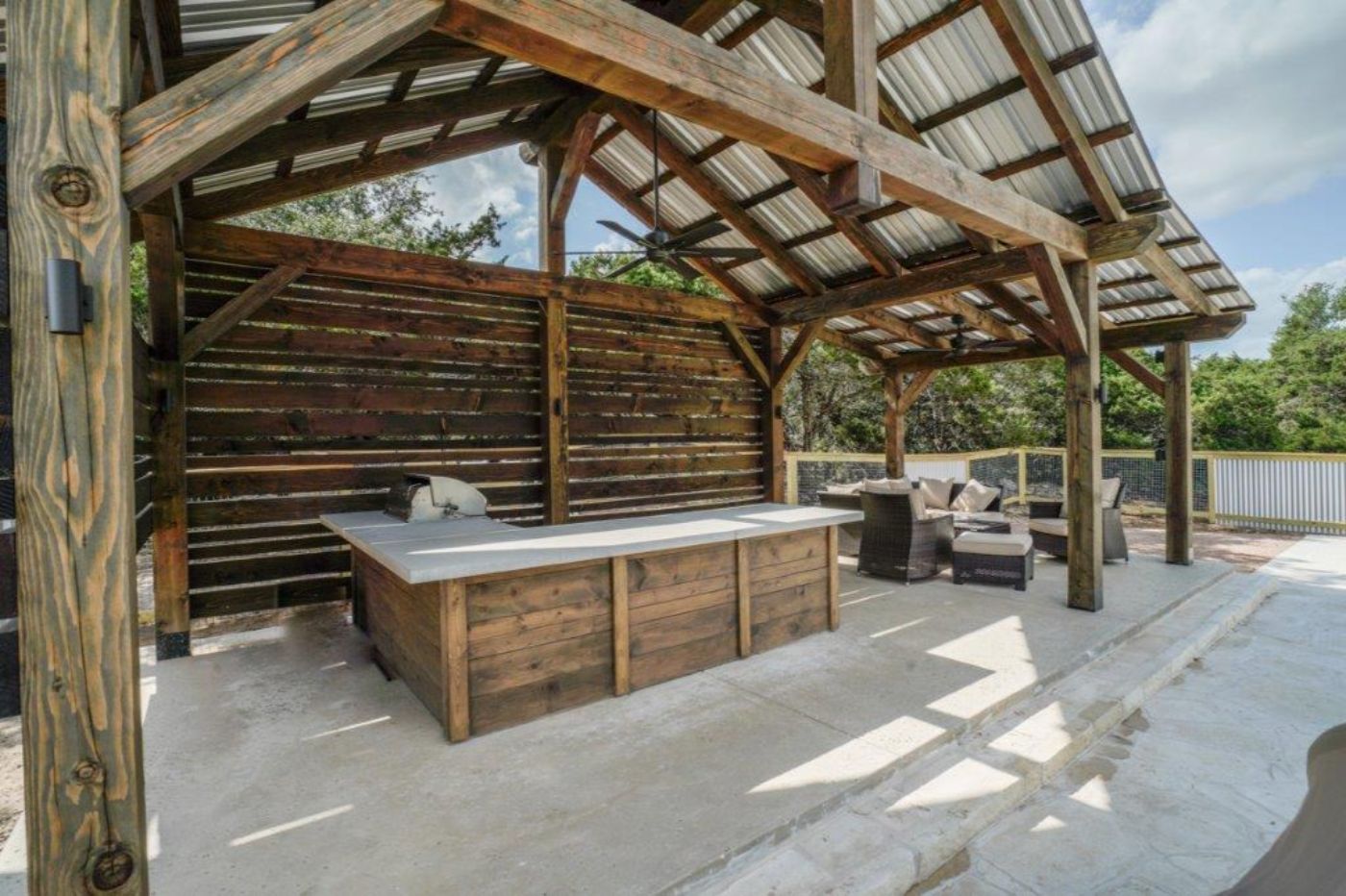
Attached Pavilion and Pergola Hybrid Structures

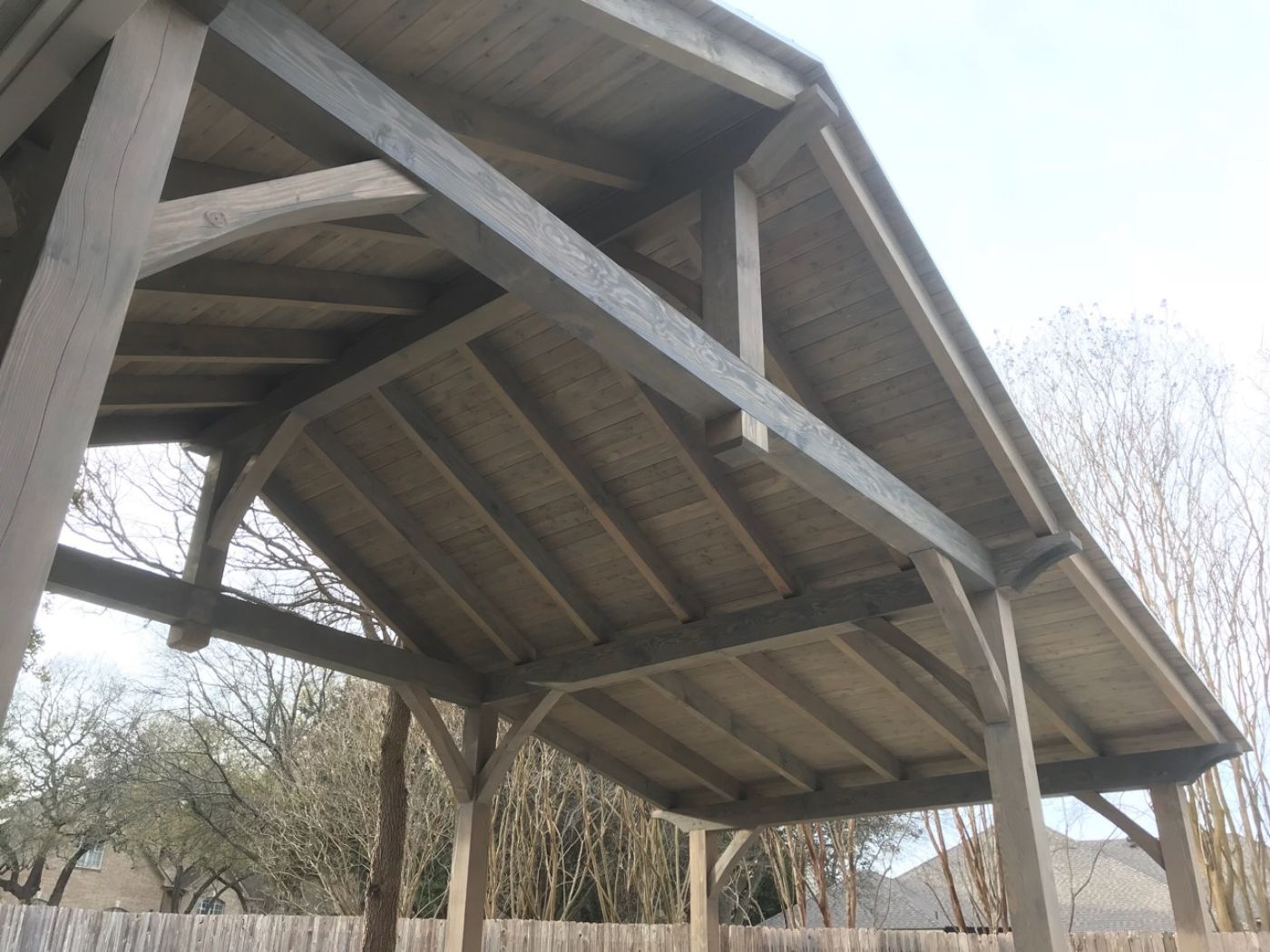
Not sure whether a pergola or a pavilion fits your vision? Our hybrid structures combine elements of both to deliver the ideal balance of shelter and openness—tailored to your style and space.

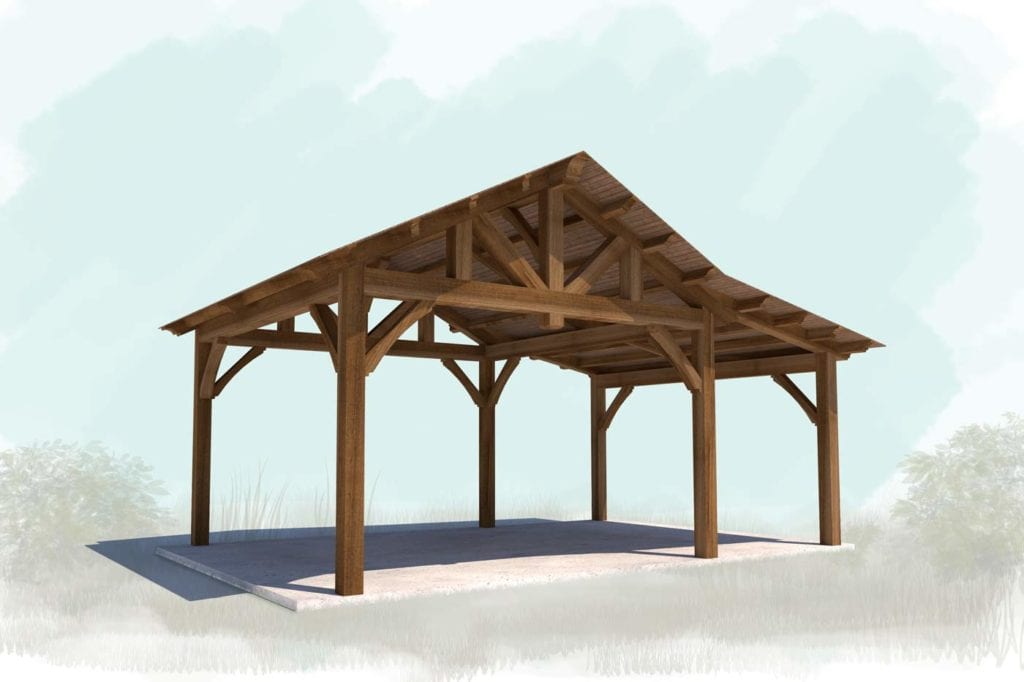
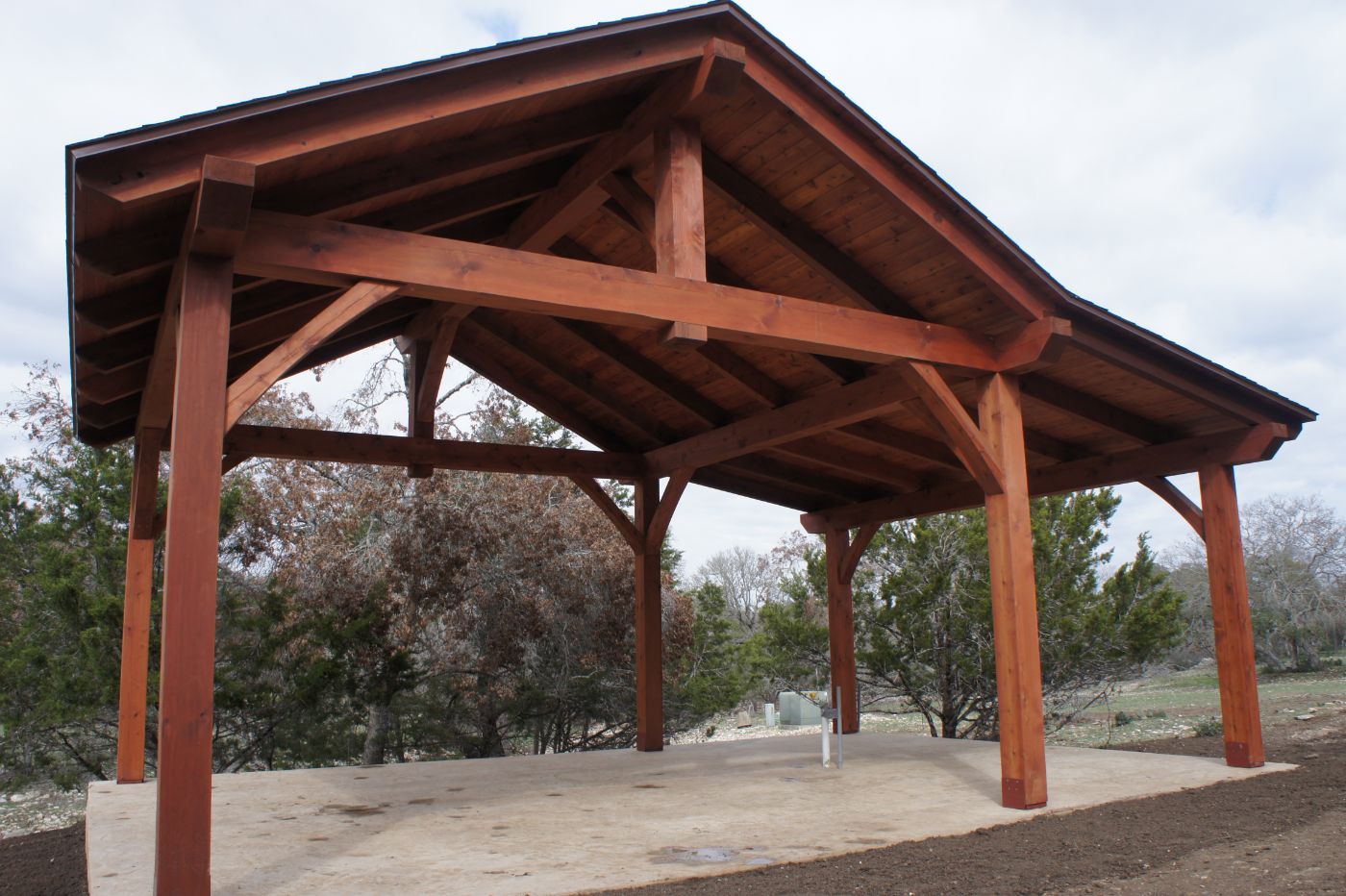
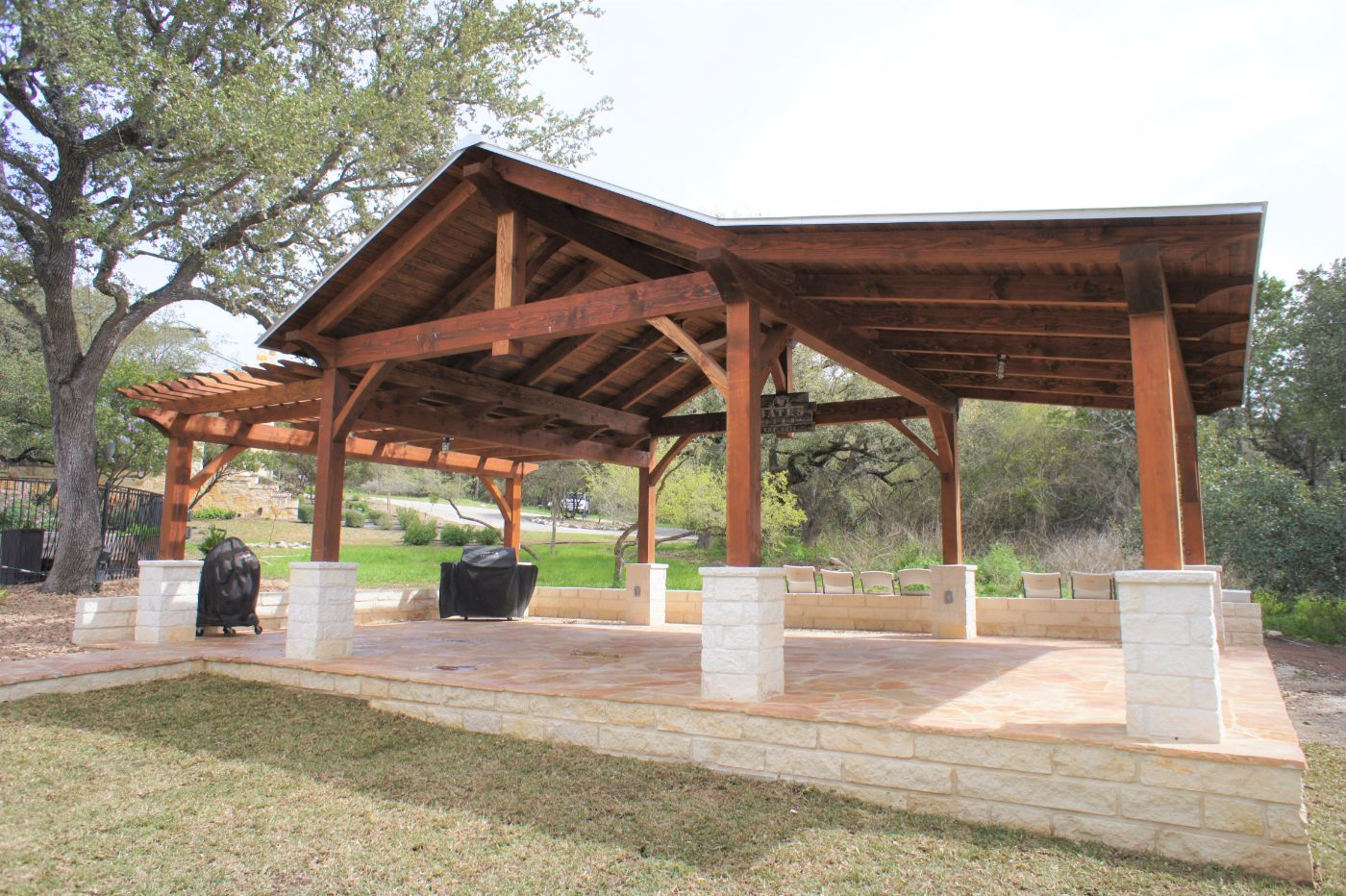
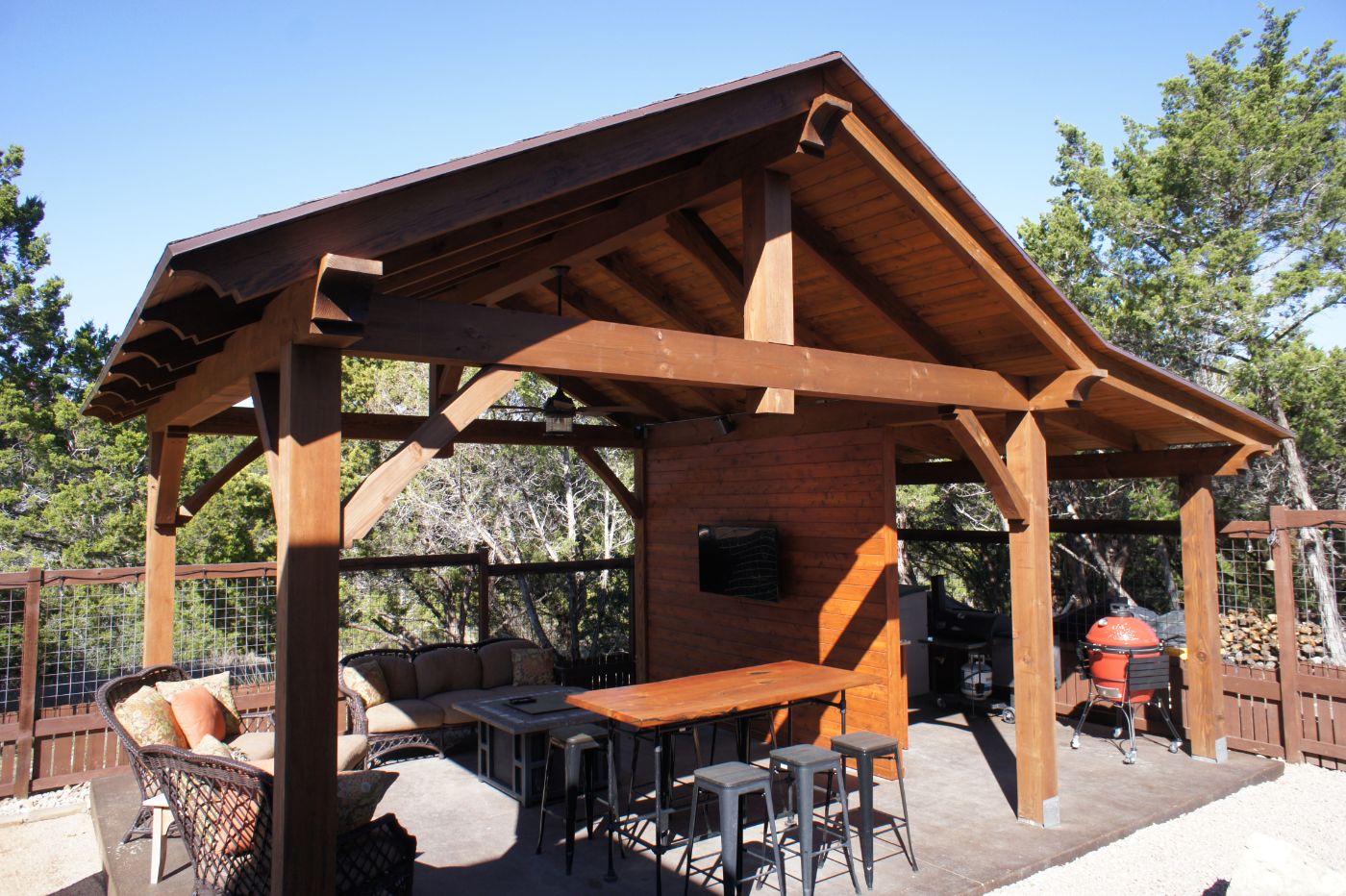
Timber frame pavilion with lean-to by COVER Timberworks

PAVILION WITH LEAN-TO

Extended coverage, elevated design. The Pavilion with Lean-To creates a dramatic roofline while expanding your functional outdoor space.

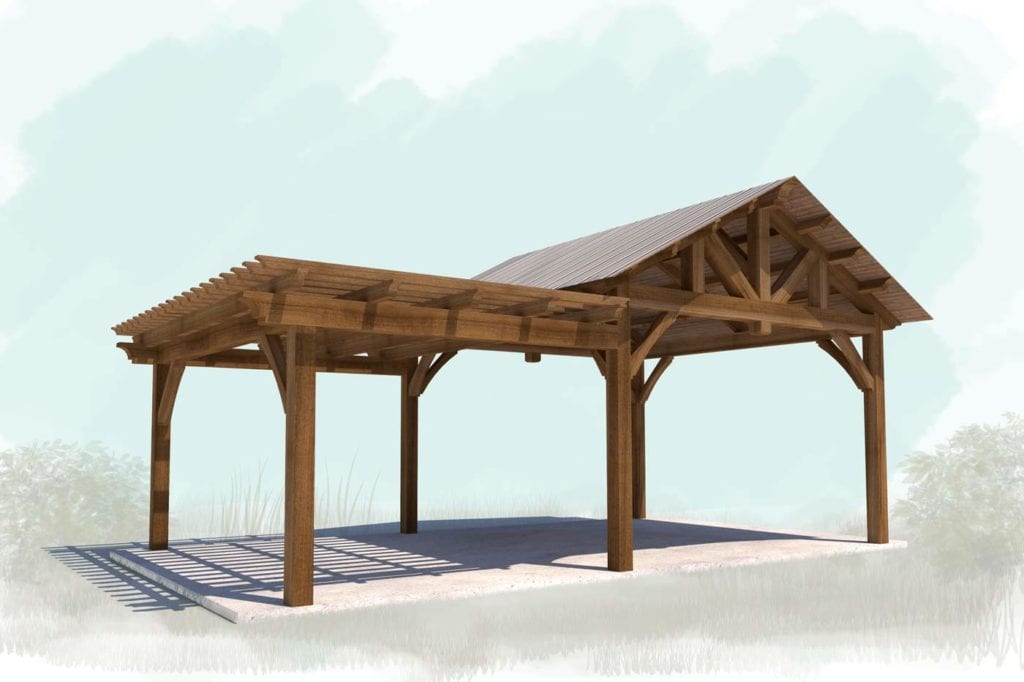
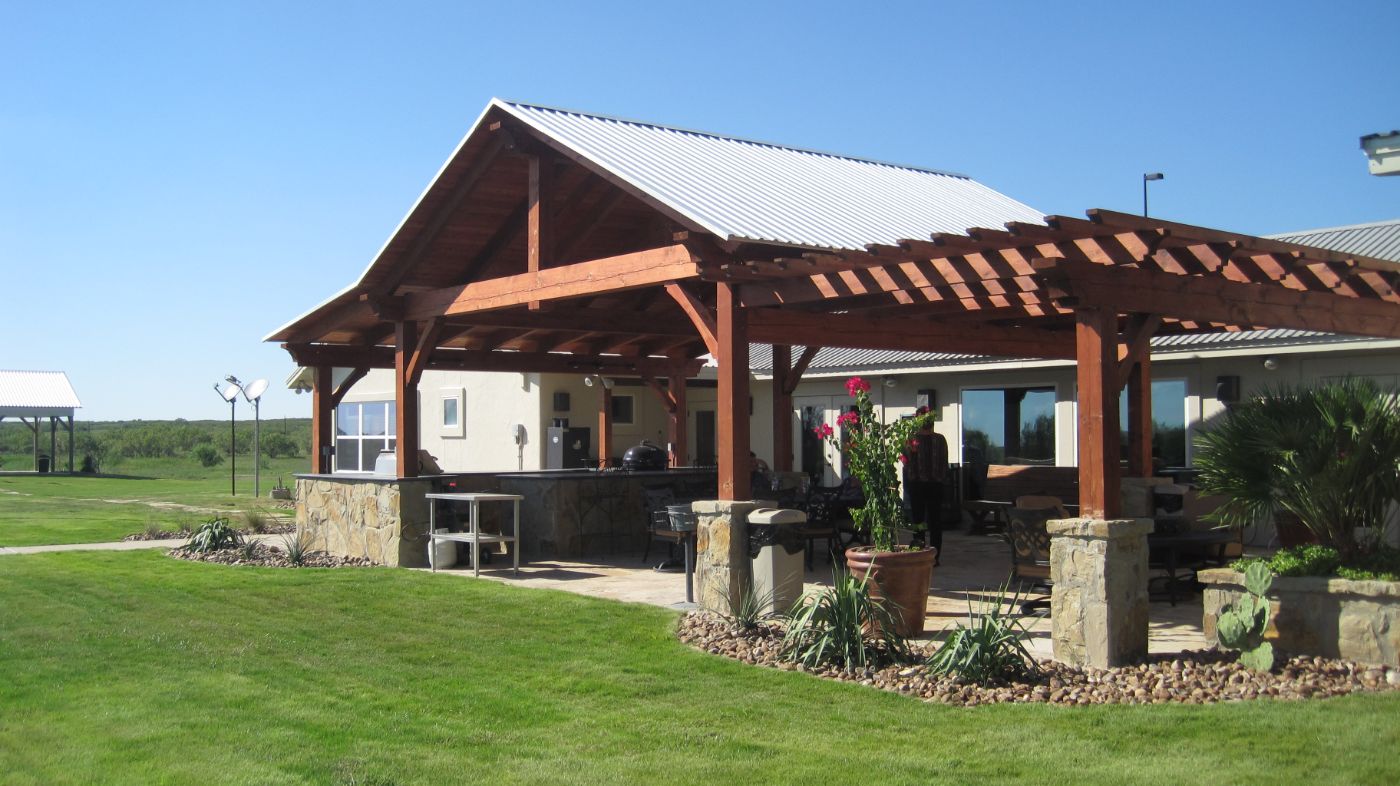
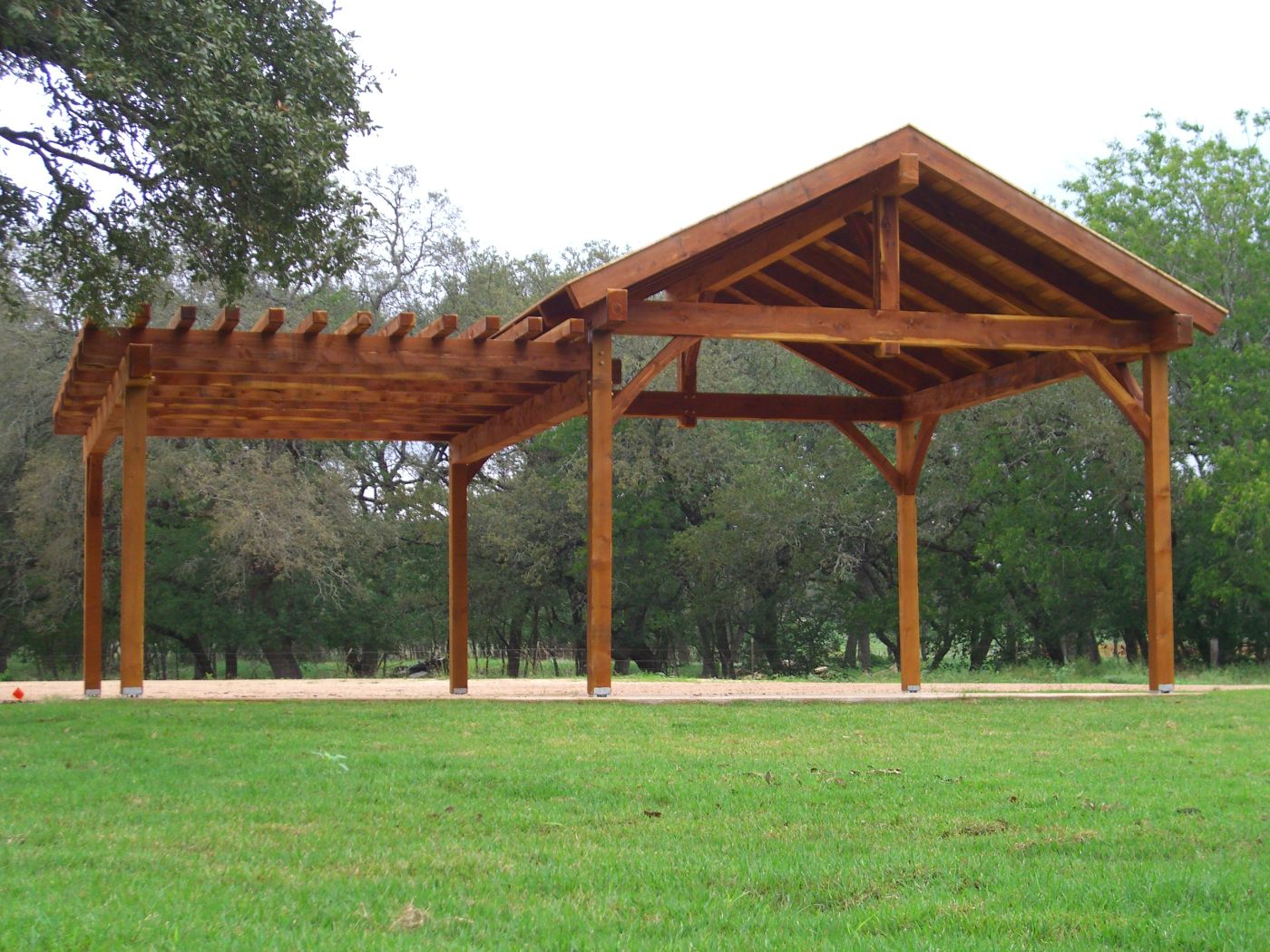
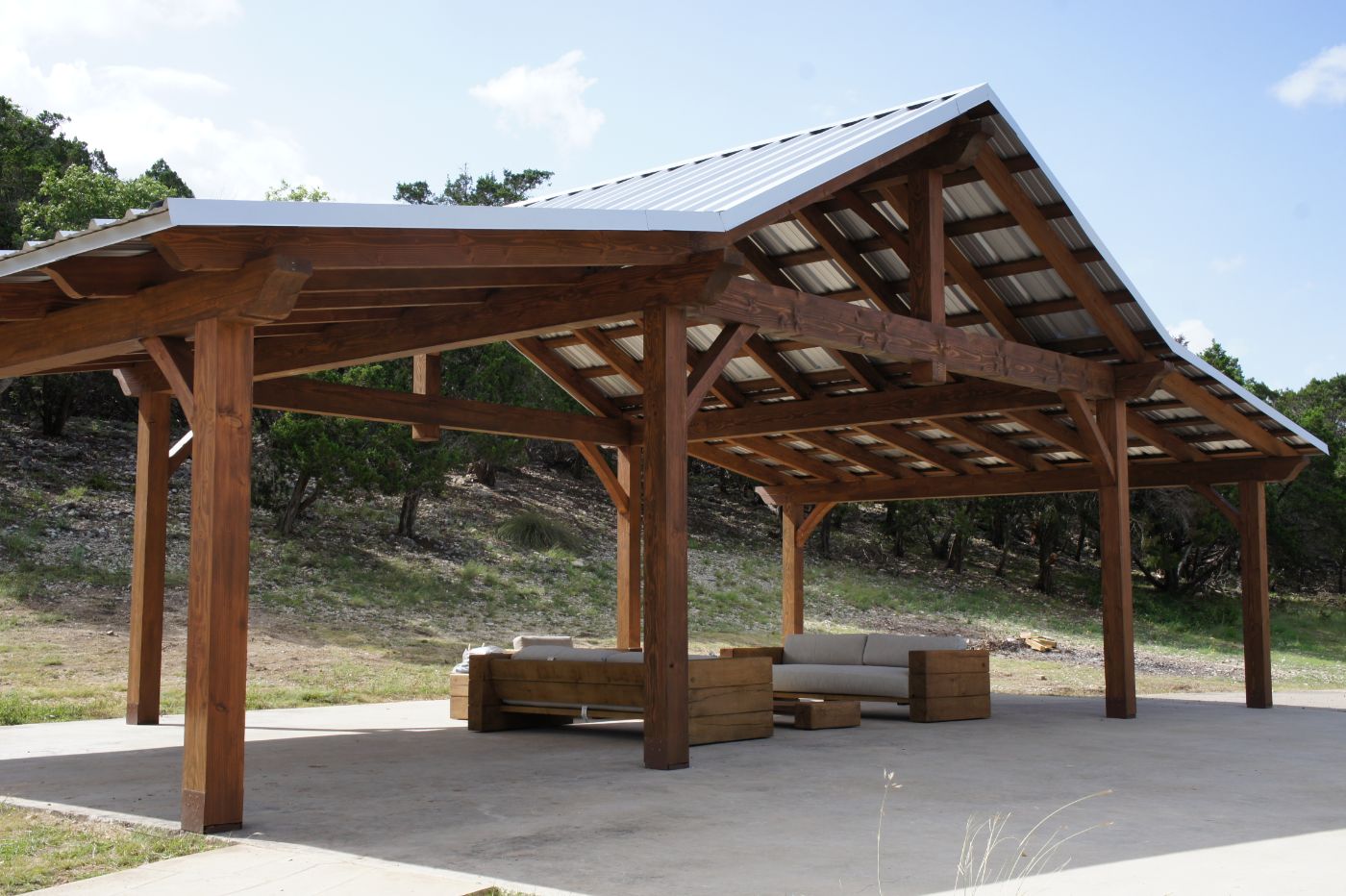
PAVILION WITH PERGOLA

Expanded design, flexible use. The Pavilion with Pergola adds open-air space for outdoor dining, lounging, or gathering.

Timber frame pavilion with attached pergola by COVER Timberworks
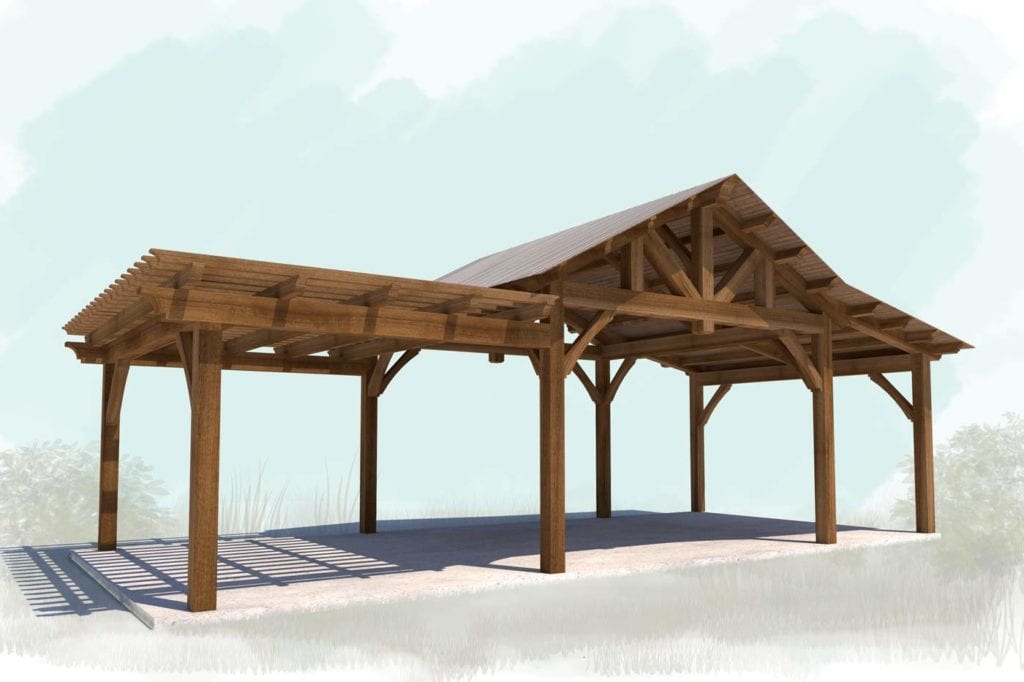
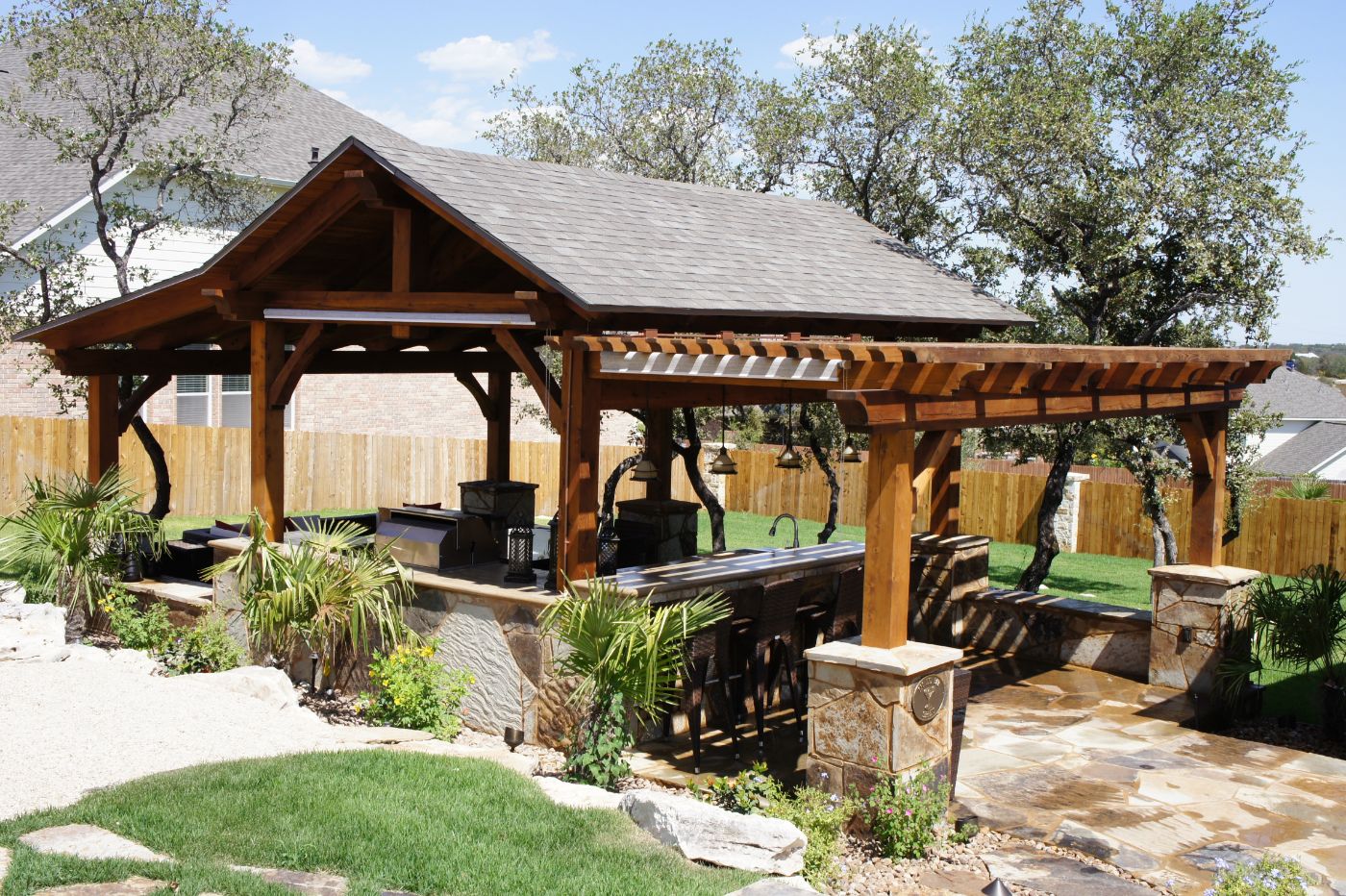
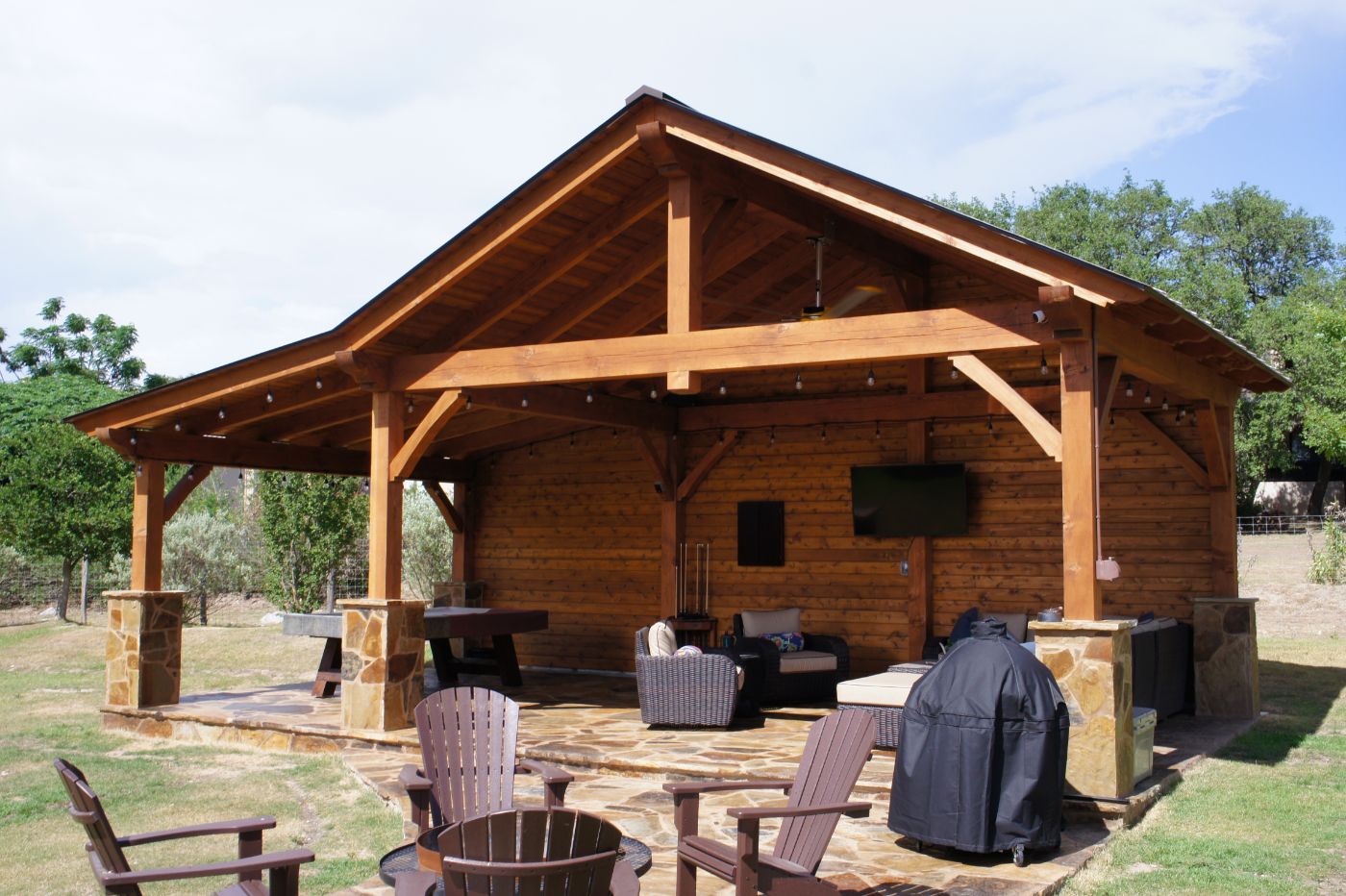
Timber frame pavilion with lean-to and pergola by COVER Timberworks

PAVILION WITH LEAN-TO AND PERGOLA

Defined spaces, expanded function. The Pavilion with Lean-To and Pergola frames your outdoor living, dining, and kitchen areas with purpose.

OUR PROCESS

Traditional backyard carpentry just cannot compare to COVER Timberworks. From beginning to end, our process is efficient, easy and clean, and it takes less than half the amount of time to produce and complete one of our beautifully designed, high-quality structures. Every hybrid structure is built with Douglas Fir timber frame construction — chosen for strength, stability, and long-term outdoor performance in Texas.

Design Decisions
Design Decisions
We make design decisions easy. Use our step-by-step guide or explore our online configurator to create a custom structure tailored to your needs. With clear options and expert support, you'll move from idea to plan with confidence and speed. .
LEARN MORE
Design Decisions
Estimate
Estimate
Once your design decisions are made, we provide a written estimate. Thanks to our modular system and menu-based pricing, this step is fast, transparent, and straightforward.
Estimate
Agreement
Agreement
Once the estimate is approved, we formalize the project with a written agreement that outlines your selections and terms, ensuring clarity before moving forward.
Agreement
Structural Drawings
Structural Drawings
Following receipt of the signed agreement and down payment, we confirm your selections by preparing a set of detailed structural drawings for your review and approval. Sealed engineered plans are also available upon request for an additional cost.
Structural Drawings
Structure Production
Once you approve the drawings, we begin production using our precise CNC saw system in a controlled warehouse environment, keeping noise, mess, and weather delays away from your home.
Structure Production
Sanding & Staining
Sanding & Staining
Next is all the hand work of sanding and staining. All structures come standard with an oil based stain/sealer - our deep penetrating oil based sealer adds beauty and longevity to each of our structures.
COLOR OPTIONS
Sanding & Staining
Installation
Installation
With all the fabrication, sanding, and staining handled off-site, our installation process is streamlined and efficient. In as little as four hours, your structure is fully assembled on-site with minimal disruption to your home and yard.
Installation
Enjoy
Enjoy
With your structure complete, it's time to relax and enjoy your new outdoor space, designed and built to last for years of comfort, style, and functionality.
Enjoy

HYBRID FAQS

What is a hybrid structure?

A hybrid structure combines more than one outdoor structure type into a single coordinated design. For Cover Timberworks, that usually means a pavilion with an attached pergola, a pavilion with a lean-to, or a pavilion with both a lean-to and pergola. The pavilion provides the main covered outdoor room, while the additional wings or components create one or more secondary functional zones.

Hybrids are especially useful when one simple roof form is not enough for the way the space will be used. A covered pavilion area may serve as the living room, a pergola may define dining or poolside seating, and a lean-to may support an outdoor kitchen or service area. The result is one larger timber structure that organizes the outdoor living space instead of leaving every activity under one undifferentiated roof.

A lean-to is an additional roof section that continues from one side of a pavilion at a lower pitch and is supported by additional posts. It is part of the overall structure, but it creates a secondary covered zone with a different roofline and a more specific purpose.

Lean-tos are often used for outdoor kitchens, dining areas, serving zones, storage, enclosed areas, or transition spaces beside the main pavilion. Because the roofline changes and additional posts are introduced, a lean-to also helps visually separate one outdoor function from another. Instead of one large open rectangle, the space begins to feel more like a planned outdoor living layout with distinct rooms.

A hybrid structure is ideal when you want a larger, more complete outdoor living space with more than one function. It can combine a covered pavilion area with an open pergola area, a lean-to kitchen zone, or both. That makes it easier to support dining, lounging, cooking, entertaining, and poolside use in one coordinated timber structure.

The biggest advantage is organization. The changing rooflines and added posts naturally define separate areas, so the space feels designed instead of oversized. A hybrid can anchor a backyard, create a strong architectural focal point, and make a large outdoor area easier to furnish. It is typically best for customers who want more than a simple shade structure and are planning a complete outdoor living environment.

Multiple zones make an outdoor space easier to use. Instead of placing every activity under one big roof, a hybrid structure can separate the outdoor kitchen, dining area, and seating area in a way that feels natural. For example, a lean-to might cover the outdoor kitchen, a pergola might define the dining area, and the main pavilion might serve as the deep-seating living room with a fireplace or TV. This matters because furniture, traffic flow, cooking clearances, and entertaining all work better when each area has a clear purpose. The posts and rooflines help create outdoor “rooms” without closing the space in with walls. For larger backyards, pool areas, and entertainment-focused projects, that zoning can make the space feel more comfortable and easier to design.

Yes. An attached pergola can be added to any Reserve Series pavilion. This is a strong option when you want the covered comfort of a pavilion plus a more open-air zone for dining, poolside seating, transition space, or architectural balance.

Adding a pergola to a pavilion also helps create multiple outdoor zones without separating the structures visually. The pavilion can serve as the main covered living area, while the pergola can define a lighter, more open space nearby.

A lean-to can be added to many Reserve Series pavilion designs, but it is not available in the Summit Series. There are also design limitations: lean-tos are not a fit for every roof style, including certain Denali, Zion, half-hip, or hip-roof configurations.

The reason is structural and architectural. A lean-to changes the roofline, adds posts, and creates a secondary covered zone, so it has to work with the pavilion’s roof form and engineering. When it is a good fit, a lean-to is especially useful for outdoor kitchens, dining areas, serving spaces, or a protected transition area beside the main pavilion.

Yes. Double lean-tos and/or pergolas can be added to the right pavilion design. These larger hybrid layouts can create a balanced or symmetrical architectural look while giving each side of the structure a specific purpose.

For example, one side might become an outdoor kitchen, another might become a dining area, and the main pavilion can remain open for seating or entertaining. Because these larger hybrid designs affect rooflines, post placement, spans, and circulation, they should be planned carefully through the Cover Timberworks design process rather than treated as simple add ons.

No. Hybrid structures are not offered in the Summit Series. The Summit line is built for value, speed, and simplicity, using fixed-size designs and a more limited set of options.

Hybrids require more design flexibility because they combine roof forms, post layouts, spans, and functional zones. That makes them a better fit for the Reserve Series, where the design system supports more customization, larger layouts, and more detailed outdoor living plans. If you want a pavilion with a pergola, lean-to, or both, the Reserve Series is the appropriate starting point.

Hybrid structure pricing depends on the base pavilion, the added pergola or lean-to, size, timber package, roofing, stain, site conditions, and any required engineering or permit support. Because hybrids add roof area, posts, beams, layout complexity, and installation time, they cost more than a standalone pavilion of the same main footprint.

As starting price examples, an attached lean-to option starts at $8,845 and an attached pergola option starts at $8,145. Those are add-on starting points, not complete hybrid project prices by themselves. The final cost should be confirmed through the design and price process after the base pavilion, attached component, size, orientation, and finish selections are defined.

BROWSE OUR GALLERY

EXPLORE DESIGN OPTIONS

In addition, our modular design system offers choices of size, timber, stains, decorative profile and more at menu pricing. The end result is a structure that is unique to each homeowner and one that transforms their backyard into their outdoor dreamscape.

CONTACT US

Ready to learn about how COVER Timberworks can bring your outdoor living dreams to life? Contact us with the information below or send us a message through our contact form.

Explore more from COVER: timber frame pavilions.

Full hip timber frame pavilion over a poolside patio in Katy, Texas
23x31 - Cover Timberworks

Still deciding on structure type? Compare the options: classic open-frame timber pergolas, fully roofed timber pavilions, or a hybrid that combines both. Our post on timber frame pavilion design options and wood choices covers species, build process, and what to expect from a custom structure.